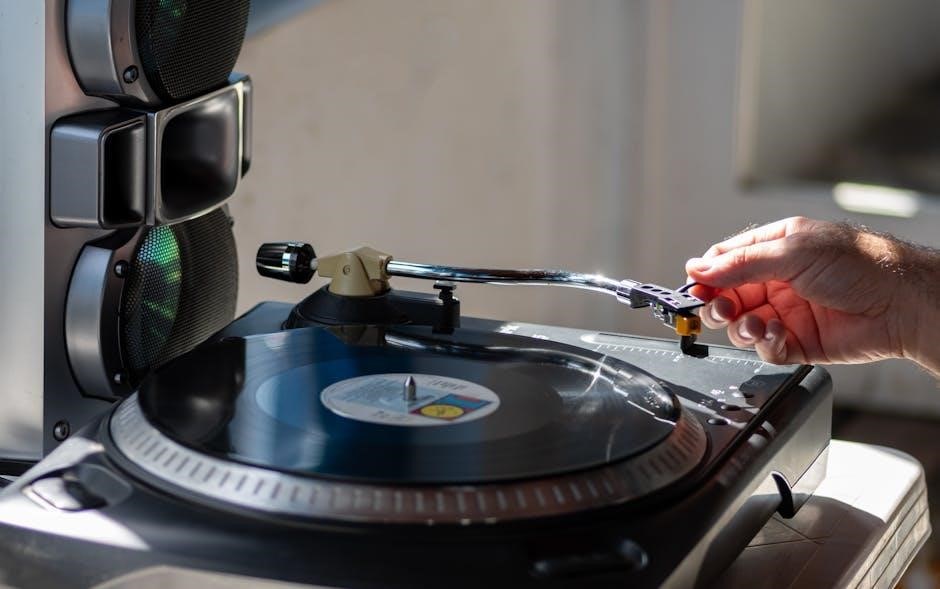
sound training manual
Sound Training Manual: A Comprehensive Guide
This manual details essential audio skills‚ covering Windows sound management‚ spatial audio features‚ and notification customization․ It provides exercises
for musicians and engineers‚ offering techniques to enhance listening and troubleshoot common sound issues effectively․
Sound training is a crucial skill for anyone working with audio‚ from musicians and sound engineers to casual listeners seeking a richer experience․ This section introduces the core principles of developing your auditory perception․ Effective sound training isn’t just about hearing; it’s about listening – discerning subtle nuances in frequency‚ timbre‚ and spatial positioning․
We’ll explore how to actively engage with sound‚ moving beyond passive reception․ Understanding how Windows manages sound output‚ including device selection and volume control‚ forms a foundational element․ Furthermore‚ we’ll touch upon the benefits of ear training exercises‚ designed to sharpen your ability to identify and analyze audio characteristics․ This manual aims to provide a comprehensive pathway to improved auditory skills‚ ultimately enhancing your ability to create‚ mix‚ and enjoy sound․
Understanding Audio Fundamentals
A solid grasp of audio fundamentals is paramount for effective sound training․ This begins with recognizing sound as a wave‚ characterized by frequency (pitch) and amplitude (loudness)․ Understanding these properties allows for precise identification and manipulation of audio signals․ We’ll delve into concepts like decibels (dB)‚ the logarithmic unit for measuring sound intensity‚ and Hertz (Hz)‚ representing frequency cycles per second․
Furthermore‚ exploring the concept of the audio spectrum – the range of frequencies audible to the human ear – is vital․ Knowing how different instruments and sounds occupy specific frequency ranges aids in mixing and equalization․ This foundational knowledge extends to understanding digital audio formats and sampling rates‚ crucial for accurate sound reproduction․ Mastering these fundamentals will unlock a deeper understanding of the soundscape and enhance your training journey․
The Importance of Ear Training
Ear training is the cornerstone of any comprehensive sound training program‚ benefiting both musicians and sound engineers immensely; It’s the ability to identify and analyze audio characteristics – pitch‚ timbre‚ dynamics‚ and spatial positioning – purely by listening․ Developing this skill transcends technical knowledge‚ fostering a deeper connection with sound․
For musicians‚ ear training enhances pitch recognition‚ interval identification‚ and chord progression analysis‚ improving composition and performance․ For sound engineers‚ it’s crucial for accurate mixing‚ equalization‚ and mastering‚ leading to better studio results․ Daily sound workouts and focused listening exercises are essential․ Consistent practice sharpens your auditory perception‚ allowing for quicker and more informed decisions in any audio environment․ Ultimately‚ ear training unlocks a level of sonic nuance unattainable through technology alone․
Windows Sound Settings & Management
Mastering Windows audio controls is vital for effective sound training․ Learn to adjust default devices‚ volume levels‚ and balance‚ plus troubleshoot common playback issues efficiently․
Changing Default Sound Output Device
Selecting the correct audio output is fundamental for focused sound training․ Windows designates a default device – speakers‚ headphones‚ or an external sound card – for all system sounds․ To modify this‚ right-click the volume icon in the system tray and select “Open Sound settings․”
Within Sound settings‚ navigate to the “Output” section․ A dropdown menu lists available devices․ Choose your preferred device for training sessions; headphones are often ideal for isolating frequencies․ Click the device and then “Set as default․” Windows will then route all audio through this selection․
Regularly verifying the default device ensures consistent audio during training․ Incorrect settings can lead to misinterpretations and hinder progress․ Experiment with different outputs to find what best suits your training environment and personal preference․
Enabling or Disabling Sound Output Devices
Managing active sound devices is crucial for a streamlined training experience․ Windows allows enabling or disabling devices to prevent conflicts and focus audio output․ Access Sound settings via the volume icon in the system tray‚ then select “Sound Control Panel․”
In the Playback tab‚ you’ll see a list of connected devices․ Right-click a device you want to disable and select “Disable․” It will become grayed out․ To re-enable‚ right-click again and choose “Enable․” This is useful for temporarily removing unused outputs during focused ear training․
Disabling unnecessary devices reduces potential confusion and ensures the correct output is always active․ Regularly review your device list and disable those not currently in use․ This practice contributes to a cleaner‚ more efficient sound training workflow․
Adjusting Volume Levels for Individual Apps
Precise volume control per application is vital for effective sound training․ Windows offers granular control‚ allowing you to balance audio from different sources․ Open Sound settings (volume icon > Sound settings) and navigate to “App volume and device preferences․”
Here‚ you’ll find a list of currently running applications with individual volume sliders․ Adjust these sliders to prioritize training audio – for example‚ boosting the volume of your ear training software while lowering background music․ This prevents distractions and ensures critical sounds are clearly audible․
Experiment with different levels to find the optimal balance for your training session․ Remember to save your preferred settings for future use․ Mastering app-specific volume control enhances focus and maximizes the benefits of your sound training exercises․
Muting and Unmuting Sound Volume in Windows
Quickly silencing or restoring audio is crucial during sound training․ Windows provides several methods for muting and unmuting system volume․ The most straightforward is using the volume icon in the system tray – a single click mutes all sound‚ another un-mutes․
Alternatively‚ use the volume mixer (right-click the volume icon > Open Volume Mixer)․ Here‚ you can mute individual applications without affecting the overall system volume․ This is particularly useful when focusing on specific training exercises and needing to eliminate distractions․
Keyboard shortcuts (often Fn + F1/F2 or similar‚ depending on your laptop) offer rapid control․ Practice these methods to seamlessly manage audio during your training‚ ensuring a focused and productive learning environment․ Efficient muting/unmuting is a key skill for any sound professional․
Adjusting Left and Right Audio Balance
Precise audio localization is vital for effective sound training‚ and adjusting the left/right balance is a key component․ Windows allows you to shift the audio output‚ emphasizing one channel over the other․ Access this feature through the Sound Settings (right-click volume icon > Sounds > Playback tab > select device > Properties > Levels tab)․
Utilize the balance slider to fine-tune the audio distribution․ During training‚ experiment with subtle shifts to identify how balance impacts your perception of sound source location․ This exercise enhances your ability to critically listen and analyze stereo mixes․
Be mindful of potential issues like Absolute Volume‚ which can sometimes interfere with balance adjustments․ Regularly check and calibrate your balance settings to ensure accurate and consistent training results․ Mastering this skill improves mixing and mastering capabilities․

Troubleshooting Sound Problems in Windows
Effective sound training demands a stable audio environment․ Windows can present challenges‚ requiring troubleshooting skills․ Common issues include random device disconnects‚ sound emanating from multiple devices simultaneously‚ and distortion caused by Absolute Volume․ Start by verifying device connections and driver updates․
If experiencing disconnects‚ check Device Manager for errors․ For multiple outputs‚ disable unused devices in Sound Settings․ Distortion often resolves by disabling Absolute Volume (exclusive mode) in device properties․ Microsoft Support offers comprehensive guides for fixing sound problems in Windows 10․
Consistent troubleshooting builds a deeper understanding of your system․ Documenting solutions creates a valuable resource for future training sessions․ A stable audio setup is crucial for accurate perception and effective skill development․
Spatial Sound & Advanced Audio Features
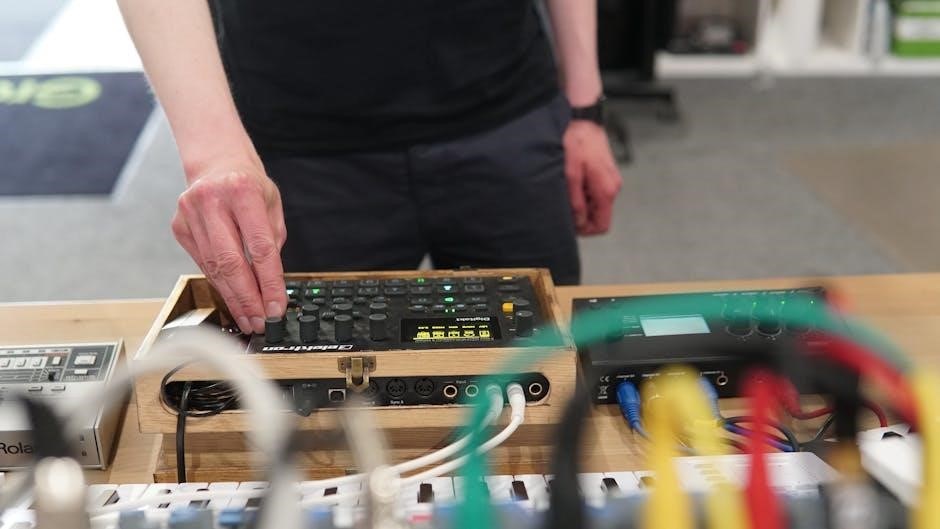
Explore immersive audio technologies like Windows Sonic and Dolby Atmos‚ enhancing soundscapes for headphones‚ TVs‚ and home theaters․ Mastering these features unlocks a new dimension in sound training․
Windows Sonic and Spatial Sound Support
Windows Sonic delivers virtual surround sound‚ creating a more immersive audio experience through standard stereo headphones․ This technology simulates a 360-degree soundscape‚ enhancing spatial awareness in games and multimedia content․ Spatial sound support extends beyond headphones‚ encompassing TVs and home theater systems compatible with Dolby Atmos․
Effectively utilizing Windows Sonic requires understanding how it processes audio signals to create the illusion of directionality․ During sound training‚ actively listen for positional cues within the virtual environment․ Experiment with different content to discern how Windows Sonic alters the perceived soundstage․ This practice sharpens your ability to interpret spatial audio cues‚ crucial for mixing and mastering immersive soundscapes․ Proper configuration is key to maximizing the benefits of this technology․
Dolby Atmos Integration
Dolby Atmos expands upon traditional surround sound‚ adding height channels for a truly three-dimensional audio experience․ Integrating Dolby Atmos into your sound training regimen involves understanding object-based audio and how sounds are positioned in a spherical soundfield․ This differs significantly from channel-based mixing‚ requiring a new approach to spatialization․
Effective training with Dolby Atmos necessitates utilizing compatible headphones or a properly configured home theater system․ Focus on identifying the vertical placement of sounds – are they above‚ below‚ or at ear level? Practice mixing and panning sounds within the Atmos environment to develop a strong sense of spatial accuracy․ Analyzing professionally mixed Atmos content provides valuable insights into best practices and creative possibilities․ Mastering Atmos enhances your ability to create immersive and impactful audio experiences․
Configuring Spatial Sound for Headphones
Achieving effective spatial sound with headphones requires careful configuration within Windows Sonic or Dolby Atmos for Headphones․ Begin by ensuring your headphones are properly connected and recognized by the system․ Navigate to the Windows Sound Settings and select your headphones as the default output device․ Enable either Windows Sonic or Dolby Atmos – experimentation is key to determine which provides the most immersive experience for your specific headphones and listening preferences․
Fine-tune the spatial sound settings‚ paying attention to the virtual speaker placement and HRTF (Head-Related Transfer Function) customization options․ Utilize binaural audio test files to assess the accuracy of the spatialization and identify any areas for improvement․ Consistent practice with spatial audio content will train your ears to interpret the virtual soundscape accurately‚ enhancing your overall listening experience and mixing capabilities․
Spatial Sound with TVs and Home Theaters
Leveraging spatial sound with TVs and home theaters necessitates compatibility with Dolby Atmos or Windows Sonic․ Ensure your TV or receiver supports these technologies and is correctly connected to your audio source via HDMI eARC for optimal bandwidth․ Within Windows settings‚ select your home theater system as the default output device․ Activate Dolby Atmos for Home Theater or Windows Sonic for Headphones (if your system utilizes virtual surround sound)․
Proper speaker configuration is crucial; calibrate your system using the built-in room correction tools to optimize soundstage and immersion․ Experiment with different content – movies‚ games‚ and music – to appreciate the full potential of spatial audio․ Regularly update your TV and receiver firmware to ensure compatibility with the latest spatial sound standards and enhancements‚ maximizing your home entertainment experience․

Customizing Sound Notifications
Personalize your auditory experience by setting custom sounds for Windows and Microsoft Teams alerts․ Manage website sound permissions within Chrome to control audio playback effectively․
Custom Sound Notifications in Microsoft Teams
Microsoft Teams now allows for tailored sound notifications‚ enhancing focus and message prioritization․ This feature enables users to quickly identify important communications and minimize distractions․ You can adjust the sounds associated with various Teams activities‚ such as incoming chat messages‚ channel notifications‚ and meeting requests․
Customizing these sounds allows for a more personalized and efficient workflow․ Instead of relying on the default Teams notification sound‚ you can select a unique tone for specific contacts or channels‚ instantly signaling the urgency or importance of the message․ This is particularly useful in busy environments where numerous notifications can easily become overwhelming․ Experiment with different sounds to find a configuration that best suits your individual preferences and work style‚ ultimately improving your overall Teams experience․
Setting Custom Notifications in Windows
Windows offers extensive customization options for system sound notifications‚ allowing users to personalize their computing experience․ You can assign unique sounds to various system events‚ such as new email arrivals‚ calendar reminders‚ and application notifications․ This level of control helps you quickly identify important alerts without even looking at the screen․
To configure custom notifications‚ navigate to the Sound settings in the Control Panel․ From there‚ you can browse through a list of system events and select a different sound for each one․ Windows includes a library of pre-installed sounds‚ but you can also use your own ․wav files for a truly personalized experience․ Experimenting with different sounds can significantly improve your productivity and make your computer more enjoyable to use‚ ensuring you never miss a critical alert․
Managing Website Sound Permissions in Chrome
Google Chrome provides robust controls for managing sound permissions on a per-website basis‚ preventing unwanted audio interruptions while browsing․ Websites can automatically play sound‚ but Chrome allows you to block or allow this behavior individually for each site․ This feature is crucial for maintaining a focused and productive online experience․
To manage website sound permissions‚ access Chrome’s Site Settings․ Within these settings‚ locate the “Sound” section․ Here‚ you’ll find options to allow all sites to play sound‚ block all sites‚ or customize permissions on a site-by-site basis․ You can specifically allow or block sound for individual websites‚ ensuring only desired audio content is audible․ Regularly reviewing these settings helps maintain control over your audio environment and prevents disruptive autoplaying sounds;

Audio Training Exercises & Techniques
Dedicated ear training is vital for musicians and sound engineers‚ improving listening skills and studio results․ Daily workouts enhance perception and analytical abilities effectively․
Ear Training for Musicians and Sound Engineers
For recording musicians and sound engineers‚ dedicated ear training is paramount․ It’s not simply about recognizing notes; it’s about developing a deep understanding of sonic nuances․ This involves consistent practice identifying intervals‚ chords‚ and timbres – crucial for composition‚ arrangement‚ and mixing․
Effective training focuses on recognizing frequencies‚ dynamic range‚ and spatial characteristics․ Musicians benefit from improved pitch recognition and harmonic awareness‚ while engineers gain the ability to quickly diagnose and correct audio problems․ Regular exercises‚ like interval identification and blind EQing‚ build a strong foundation․
Ultimately‚ ear training cultivates a more intuitive and efficient workflow‚ leading to better creative decisions and polished final products․ It’s an investment in your aural skillset that yields significant returns throughout your career․
Daily Sound Workouts
Consistent practice is key to developing a refined ear․ Incorporate short‚ focused “sound workouts” into your daily routine․ These don’t need to be lengthy; even 15-20 minutes can yield noticeable improvements․ Begin with simple interval recognition exercises‚ gradually increasing complexity․
Focus on identifying different instrument timbres and recognizing subtle changes in equalization․ Utilize online resources or dedicated ear training apps for structured exercises․ Challenge yourself by attempting to recreate sounds you hear in everyday life – identifying frequencies and dynamics․
Regular workouts build muscle memory for your ears‚ enhancing your ability to quickly and accurately assess audio․ Treat it like any other skill – consistent effort leads to demonstrable progress and a more discerning auditory perception․
Enhancing Listening Skills
Truly listening goes beyond simply hearing; it requires active engagement and focused attention․ Practice critical listening by dissecting audio into its component parts – identifying frequencies‚ dynamics‚ and spatial placement․ Avoid passive listening; instead‚ consciously analyze what you’re hearing․
Train yourself to recognize subtle nuances in sound‚ such as compression artifacts or phase issues․ Compare and contrast different mixes‚ noting the choices made by the engineer․ Develop a vocabulary to articulate your observations accurately․
Blind testing – listening without visual cues – is invaluable․ This forces you to rely solely on your ears․ Regularly expose yourself to diverse genres and recording qualities to broaden your sonic palette and refine your analytical abilities․
Improving Studio Results with Ear Training
Effective ear training directly translates to better mixing and mastering decisions․ Accurately identifying frequencies allows for precise EQ adjustments‚ resulting in a cleaner‚ more balanced sound․ Recognizing compression settings by ear enables faster and more intuitive dynamic control․
Improved spatial awareness aids in creating a wider‚ more immersive soundstage․ Quickly spotting phase issues prevents muddiness and ensures clarity․ Ear training minimizes reliance on visual metering‚ fostering a more musical approach to audio engineering․
Consistent practice builds a reliable internal reference‚ allowing you to translate ideas from your mind to the mix with greater accuracy․ This ultimately leads to professional-sounding results and a more efficient workflow in the studio environment․
Troubleshooting Common Sound Issues
This section addresses frequent problems like device disconnects‚ multi-device output‚ distortion‚ and Windows 10 sound failures․ Solutions are provided for a smoother audio experience․
Random Device Disconnect Sounds
Experiencing frequent‚ unexplained device disconnect sounds in Windows can be incredibly frustrating․ This issue‚ reported as recently as December 2024‚ often occurs without any apparent reason‚ becoming progressively more frequent over time․ While the root cause can vary‚ it often points to driver instability or conflicts within the Windows audio system․
Troubleshooting steps include ensuring your audio drivers are up-to-date‚ checking for Windows updates‚ and investigating potential hardware conflicts․ Sometimes‚ a simple restart can resolve temporary glitches․ However‚ if the problem persists‚ delving into Device Manager to examine device status and driver versions is crucial․ Consider rolling back to a previous driver version if a recent update seems to be the culprit․ Further investigation may involve checking power management settings to prevent Windows from turning off the device to save power․
Sound Coming From Multiple Devices Simultaneously
A common and perplexing issue is sound unexpectedly playing through multiple output devices at once – for example‚ both headphones and internal speakers․ This can occur in Windows 10 and later‚ creating a jarring and undesirable listening experience․ The problem often arises due to a misconfiguration within the sound settings or a conflict between enabled devices․
To resolve this‚ carefully examine your sound output devices in the Windows Sound settings․ Ensure that only the desired device is set as the default playback device․ Disable any other devices you aren’t actively using․ Additionally‚ check individual application volume settings (accessed through the Volume Mixer) as some programs might be configured to output to specific devices․ A system restart after making changes can sometimes be necessary to fully apply the new settings and prevent the simultaneous audio output․
Absolute Volume and Sound Distortion
Sound distortion can frequently stem from the “Absolute Volume” feature in Windows․ When enabled‚ Absolute Volume limits the maximum sound output‚ potentially clipping audio signals and introducing unwanted distortion‚ especially at higher volume levels․ This feature aims to protect your hearing‚ but can negatively impact audio quality․
To address this‚ experiment with disabling Absolute Volume․ Accessing this setting often requires third-party tools as it’s hidden by default in recent Windows versions․ Once disabled‚ you’ll have more control over the volume levels‚ potentially resolving the distortion․ However‚ be mindful of your listening volume to avoid damaging your ears․ Additionally‚ ensure your audio drivers are up-to-date‚ as outdated drivers can also contribute to sound distortion issues․ Carefully monitor the audio output after making any changes․
Fixing Sound Problems in Windows 10
Encountering sound issues in Windows 10 is common‚ but often resolvable․ Begin by checking the obvious: volume levels‚ physical connections‚ and ensuring the correct output device is selected․ Utilize the Windows troubleshooter – accessible through Settings > System > Sound > Troubleshoot – as a first step․ This automated tool identifies and fixes many common problems․
If the troubleshooter fails‚ investigate driver issues․ Update or reinstall your audio drivers via Device Manager․ Ensure Windows is up-to-date‚ as updates frequently include sound-related fixes․ Consider disabling audio enhancements‚ as these can sometimes cause conflicts․ Finally‚ check for conflicting applications or services that might be interfering with audio output․ A clean boot can help isolate such issues․ Refer to Microsoft Support for detailed guidance on these steps․