
dress shirt size guide
Dress Shirt Size Guide: A Comprehensive Overview (Updated 03/26/2026)
Navigating dress shirt sizing‚ whether online or in-store‚ requires understanding key measurements for a perfect fit‚ ensuring comfort and style with every wear.
Understanding the Importance of Proper Fit
A well-fitting dress shirt is foundational to a polished appearance‚ conveying confidence and attention to detail. Beyond aesthetics‚ proper fit significantly impacts comfort‚ allowing for a full range of motion without restriction.
Ill-fitting shirts – too tight or too loose – can appear sloppy and unprofessional. A shirt that’s too tight strains buttons and restricts movement‚ while a loose shirt lacks structure and appears unkempt.
Investing time in understanding your measurements and selecting the correct size ensures a flattering silhouette and a comfortable wearing experience‚ ultimately elevating your overall style. Prioritizing fit demonstrates respect for yourself and those you interact with.
Standard US & International Sizing Systems

Dress shirt sizing isn’t universally standardized; variations exist between US‚ UK‚ and European systems. US sizing typically focuses on neck size and sleeve length‚ while UK systems often incorporate chest size alongside neck and sleeve measurements.
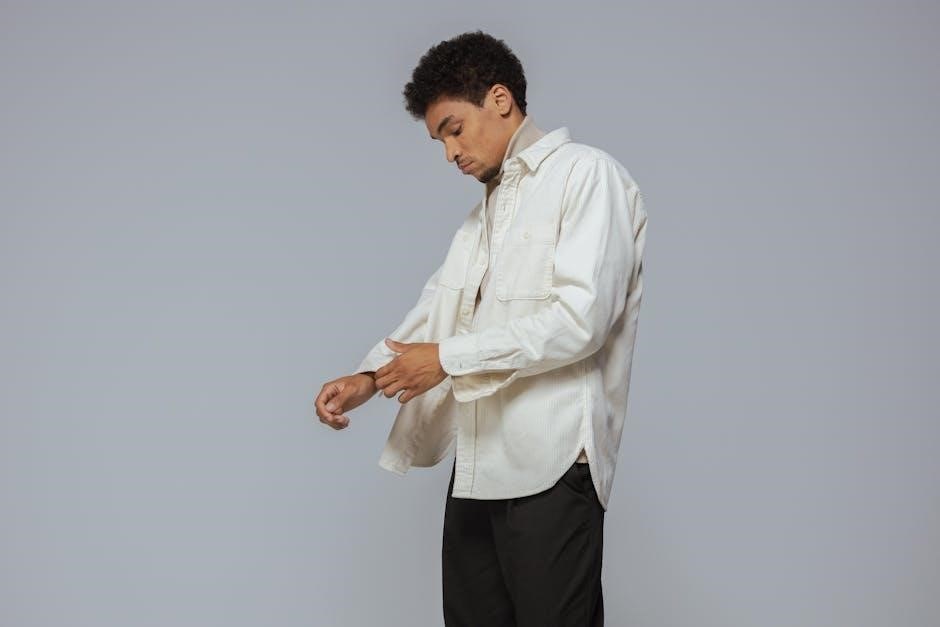
European sizing frequently uses numerical designations‚ requiring conversion to US or UK equivalents. Understanding these differences is crucial when shopping across borders or brands. A US size 15.5 neck doesn’t automatically translate to the same fit in a UK or EU shirt.
Always consult specific brand size charts‚ as interpretations can vary. Familiarizing yourself with these systems prevents frustrating misfits and ensures a more successful shopping experience.
Neck Size: The Foundation of Shirt Fit
The neck size is paramount in dress shirt fit‚ dictating collar comfort and overall appearance. A properly fitted collar should allow enough room for one or two fingers to comfortably slide between your neck and the collar button. Too tight restricts breathing and looks awkward‚ while too loose appears sloppy.
Accurate measurement is key; don’t rely on past purchases‚ as sizes can fluctuate. This measurement forms the base for selecting the correct shirt size‚ influencing sleeve length and body fit considerations. Prioritizing a correct neck size ensures a polished and comfortable look.
How to Measure Your Neck Size
To accurately measure your neck‚ use a flexible measuring tape. Ensure your shoulders are relaxed and your posture is upright. Position the tape measure comfortably around your neck‚ where the collar would naturally sit – typically about one inch below your Adam’s apple.
Keep the tape level and snug‚ but not tight. Breathe normally while taking the measurement. Record the measurement in inches. If the measurement falls between sizes‚ it’s generally recommended to round up to the next half-inch to ensure comfortable buttoning and avoid constriction. Repeat the measurement to confirm accuracy.
Neck Size Charts (US‚ UK‚ EU)
Understanding neck size variations across regions is crucial for accurate shirt selection. Below are approximate conversions‚ but brand discrepancies can occur.
- US: 14” = 14.5”‚ 15” = 15.5”‚ 16” = 16.5”‚ 17” = 17.5”
- UK: 14.5” = 15”‚ 15.5” = 16”‚ 16.5” = 17”‚ 17.5” = 18”
- EU: 37cm = 38cm‚ 39cm = 40cm‚ 41cm = 42cm‚ 43cm = 44cm
These charts serve as a general guide; always consult the specific brand’s size chart for the most precise fit. Remember to prioritize comfort and allow for slight movement when buttoned. Variations exist‚ so cross-referencing is recommended.

Sleeve Length: Achieving the Right Proportion
Proper sleeve length is vital for a polished appearance‚ ensuring the shirt complements your build. The goal is for approximately ½ inch of shirt cuff to extend beyond your jacket sleeve;
Incorrect sleeve length can disrupt the overall silhouette. Too short appears awkward‚ while too long looks sloppy. Accurate measurement is key. Consider your body proportions and typical jacket styles when selecting sleeve length. A well-fitted sleeve enhances your professional image and demonstrates attention to detail. Prioritize comfort alongside aesthetic balance.
Measuring Sleeve Length – From Center Back to Wrist
Accurate sleeve length measurement begins at the center back of your neck‚ following the natural curve of your shoulder down to your wrist bone. Have a friend assist for precision.
Keep your arm slightly bent during measurement. Use a flexible measuring tape‚ ensuring it’s taut but not constricting. Measure along the outside of your arm‚ avoiding any dips or curves. Record the measurement in inches. Repeat the process a couple of times to confirm accuracy. This measurement is crucial for achieving the correct proportion and a tailored fit.
Sleeve Length Charts Based on Height & Neck Size
Determining your ideal sleeve length often requires referencing charts combining height and neck size‚ as these factors significantly influence the correct fit. Standard charts typically categorize heights into ranges (e.g.‚ 5’8”-5’10”‚ 6’0”-6’2”) and correlate them with corresponding neck sizes.
For example‚ a 5’10” individual with a 15.5” neck might require a 33/34” sleeve length. These charts serve as a starting point; individual arm proportions can vary. Always prioritize a measurement taken directly from your body for the most accurate result‚ adjusting based on chart recommendations.
Shirt Body Fit: Classic‚ Slim‚ and Modern
Understanding the different shirt body fits – Classic‚ Slim‚ and Modern – is crucial for achieving your desired silhouette. Classic fit offers a relaxed and comfortable feel‚ with more room throughout the chest and waist‚ ideal for those preferring a traditional look.

Slim fit provides a more tailored appearance‚ hugging the body closely for a contemporary style. Modern fit strikes a balance‚ offering a slightly tapered shape without being overly restrictive. Consider your body type and personal preference when selecting the appropriate fit.
Classic Fit: Relaxed and Comfortable
The classic fit dress shirt prioritizes comfort and ease of movement‚ offering a generous cut through the chest‚ waist‚ and shoulders. This style is ideal for individuals who prefer a looser‚ more traditional silhouette‚ avoiding a constricted feeling.
Classic fit shirts typically feature a straighter cut‚ providing ample room without appearing boxy. They are a versatile choice‚ suitable for various body types and occasions where a relaxed yet polished look is desired. This fit is a timeless option for everyday wear.
Slim Fit: A More Tailored Silhouette
The slim fit dress shirt is designed to provide a modern‚ streamlined appearance‚ closely following the body’s natural shape. This style features a tapered waist and narrower sleeves‚ creating a more defined and fashionable look.

Slim fit shirts are best suited for individuals with athletic or slender builds‚ enhancing their physique. They offer a sophisticated aesthetic‚ perfect for professional settings or occasions where a polished impression is key. However‚ ensure adequate movement; a too-tight fit compromises comfort.
Modern Fit: A Balance Between Classic and Slim
The modern fit dress shirt strikes a harmonious balance‚ offering a comfortable yet refined silhouette. It’s not as loose as a classic fit‚ nor as constricting as a slim fit‚ making it a versatile choice for various body types.
This style provides a slight taper through the waist‚ creating a cleaner look without sacrificing comfort. Modern fit shirts are ideal for those seeking a contemporary style that isn’t overly trendy. They’re suitable for both business casual and more formal occasions‚ offering a universally flattering option.
Chest Size & Its Role in Shirt Selection
Accurate chest measurement is paramount when selecting a dress shirt‚ directly impacting comfort and appearance. Unlike neck size‚ chest size dictates how the shirt drapes across your torso‚ influencing the overall fit.
A shirt with insufficient chest room will feel restrictive and appear strained‚ while excessive room creates a boxy‚ unflattering silhouette. Consider your body type – broader chests require more room‚ while leaner builds may prefer a closer fit. Always measure with a flexible tape measure‚ ensuring it’s level and snug‚ but not tight‚ around the fullest part of your chest.
Measuring Your Chest Size Accurately
To obtain a precise chest measurement‚ enlist assistance for optimal results. Stand naturally with your arms relaxed at your sides. Wrap a flexible measuring tape around the fullest part of your chest‚ typically across the nipples‚ ensuring the tape is level all around your body.
Maintain a relaxed breath – do not inhale deeply or exhale completely. The tape should be snug but not constricting; it shouldn’t dig into your skin. Record the measurement in inches or centimeters. Repeat the process a couple of times to confirm consistency and accuracy‚ averaging any slight variations.
Chest Size Considerations for Different Body Types
Understanding how your body shape influences shirt fit is crucial. For athletic builds with broad chests‚ consider shirts with a more generous cut through the shoulders and chest to avoid tightness. Individuals with larger stomachs may need to size up‚ focusing on shirts with a fuller cut in the body.
Those with slimmer builds can opt for slim-fit shirts‚ while those with a more average build can comfortably wear classic or modern fits. Always prioritize comfort and range of motion; a shirt shouldn’t restrict breathing or movement.
Shoulder Width: Ensuring a Smooth Drape
Proper shoulder fit is paramount for a well-fitted dress shirt. The shoulder seam should lie flatly on your shoulder‚ ending where your arm naturally slopes down. A correctly fitted shoulder prevents bunching‚ pulling‚ or restriction of movement. Ill-fitting shoulders drastically affect the overall appearance‚ creating a sloppy or strained look.
Incorrect shoulder width can necessitate costly alterations. Prioritize this measurement; it’s often overlooked but significantly impacts how the shirt hangs and drapes. A tailored shoulder contributes to a polished and professional silhouette.
Why Shoulder Fit is Crucial
The shoulder fit dictates how the entire shirt hangs on your frame. A well-fitted shoulder creates a clean line from neck to arm‚ enhancing your posture and overall appearance. Incorrect shoulder width throws off the balance‚ making the shirt look ill-proportioned and uncomfortable.
Shoulder seams that are too tight restrict movement‚ while seams that are too loose create a bulky‚ shapeless silhouette. This impacts not only aesthetics but also comfort and confidence. Prioritizing shoulder fit ensures a polished‚ professional look and allows for a full range of motion.
Determining Your Shoulder Width

Accurately measuring your shoulder width is essential for a proper shirt fit. The most reliable method involves having a friend assist you. Measure from the outermost point of one shoulder (where a shoulder seam would sit) to the outermost point of the other shoulder‚ across the back.
Ensure the measuring tape is straight and level‚ following the natural curve of your shoulders. Alternatively‚ you can measure the width across the back of a well-fitting jacket – this provides a good approximation. Record the measurement in inches or centimeters for accurate shirt size selection.
Collar Style & Neck Size Compatibility
The collar style significantly impacts how a shirt fits and looks with your neck size. Point collars are versatile‚ suiting most neck sizes and tie knots. Button-down collars offer a more casual look and work well with smaller neck sizes‚ accommodating a variety of tie options.
Spread collars‚ designed for larger neck sizes‚ pair best with wider tie knots like a Full Windsor‚ creating balanced proportions. Consider your face shape and tie preferences when choosing a collar style; a proper fit enhances overall appearance and comfort.
Point Collar & Neck Size
Point collars are a classic and incredibly versatile choice‚ generally compatible with most neck sizes. Their slightly angled points work well with standard tie knots like the Four-in-Hand‚ creating a balanced and proportional look. This style is particularly forgiving‚ accommodating neck sizes ranging from 14 inches to 17.5 inches comfortably.
For those with broader necks‚ ensure the collar points don’t feel constricted when buttoned. A point collar is an excellent starting point for building a dress shirt wardrobe due to its adaptability and timeless appeal‚ suiting both formal and casual settings.
Button-Down Collar & Neck Size
Button-down collars‚ characterized by their fastened collar points‚ offer a more casual yet refined aesthetic‚ and work well with various neck sizes. Typically‚ these collars suit neck sizes between 14.5 and 16.5 inches effectively‚ providing a comfortable fit without appearing overly tight or loose. They pair nicely with smaller knot ties‚ like a simple knot or a half-Windsor.
Individuals with larger neck sizes might find the buttoned points restrictive; however‚ a well-fitted shirt will still offer adequate comfort. This style is ideal for business-casual environments and relaxed occasions.
Spread Collar & Neck Size
Spread collars‚ distinguished by their wider distance between collar points‚ are exceptionally versatile and accommodate a broader range of neck sizes‚ typically 15 inches and up. This style is designed to showcase larger tie knots‚ such as a full Windsor or half-Windsor‚ creating a balanced and proportional look.
Men with broader shoulders and larger neck sizes often find spread collars particularly flattering. The wider spread allows for comfortable movement and prevents a constricted feeling. They are suitable for formal occasions and professional settings‚ projecting confidence and sophistication.
Shirt Length & Torso Length
Determining the correct shirt length is crucial for a polished appearance‚ directly relating to your torso length – the distance from the base of your neck to your desired hemline. A properly fitted shirt should cover your hips without being excessively long or awkwardly short.
Standard shirt lengths typically range from 30 to 36 inches‚ but variations exist. Individuals with longer torsos may require “long” or “tall” sizes‚ while those with shorter builds benefit from “short” options. Accurate measurement ensures the shirt tucks in neatly and maintains a streamlined silhouette throughout the day.
Measuring Torso Length
Accurately measuring your torso length is essential for selecting a dress shirt that provides optimal coverage and a flattering fit. Begin at the most prominent vertebra (C7) at the base of your neck.
Using a flexible measuring tape‚ run it down your back‚ along your spine‚ to your desired shirt hemline – typically around an inch or two below your waistband. Ensure the tape is straight and not too tight. This measurement‚ in inches‚ will guide you towards the appropriate shirt length‚ whether standard‚ long‚ or short.
Standard vs. Long/Short Torso Shirts
Understanding torso length variations is crucial for avoiding shirts that are too short‚ revealing your midriff‚ or excessively long and bulky. Most brands offer shirts in standard torso lengths‚ designed to fit an average build.
However‚ individuals with longer or shorter torsos may require specialized sizing. Long torso shirts add extra length for comfortable coverage‚ while short torso shirts are tailored for those with a shorter back. Identifying your torso length accurately ensures a proportionate and polished appearance‚ enhancing your overall style.
Understanding Van Heusen Shirt Sizes
Van Heusen shirts generally run a bit larger compared to some other brands‚ so careful consideration of their size charts is essential. Their sizing focuses on neck and sleeve length‚ with chest measurements serving as a secondary guide.
Many customers find they need to size down one neck size for a more tailored fit. Pay close attention to the Van Heusen specific size chart‚ available on their website‚ and read customer reviews for insights into fit consistency. Considering these factors will help you select the correct Van Heusen shirt size.
Understanding Charles Tyrwhitt Shirt Sizes
Charles Tyrwhitt shirts are known for offering a wide range of fits and sizes‚ catering to diverse body types. They provide detailed size guides‚ emphasizing both neck and collar measurements‚ alongside chest and sleeve length.
Their sizing tends to be more consistent with traditional British sizing‚ which can differ slightly from US standards; Utilizing their online size finder tool is highly recommended‚ as it considers multiple measurements for a precise recommendation. Reading customer feedback regarding specific fits – slim‚ regular‚ or extra slim – is also beneficial for achieving the perfect fit.
Understanding Brooks Brothers Shirt Sizes
Brooks Brothers shirts often run larger than contemporary brands‚ reflecting their classic American sizing tradition. Their size charts prioritize neck and sleeve length‚ but considering chest size is crucial‚ especially for achieving a tailored look.
Brooks Brothers offers various fits – traditional‚ extra slim‚ and tailored – each with unique measurements. It’s advisable to consult their detailed size guide and compare it to your actual measurements. Due to their heritage sizing‚ many customers find they need to size down compared to other retailers. Checking recent customer reviews can provide valuable insights into fit consistency.
Dealing with Size Variations Between Brands
Significant size discrepancies exist between dress shirt brands‚ making a one-size-fits-all approach unreliable. Van Heusen‚ Charles Tyrwhitt‚ and Brooks Brothers all employ distinct sizing philosophies and cuts. Always prioritize checking each brand’s specific size chart before purchasing.
Brand-specific charts are essential‚ but reading customer reviews offers real-world feedback on fit accuracy. Pay attention to comments regarding running large or small; Don’t assume your usual size will translate across brands; meticulous measurement and comparison are key to avoiding returns and frustration.
Brand-Specific Size Charts
Each dress shirt manufacturer utilizes unique sizing specifications‚ necessitating a review of their individual charts. Van Heusen often runs slightly larger in the neck and sleeve‚ while Charles Tyrwhitt tends towards a slimmer European cut. Brooks Brothers‚ known for traditional American sizing‚ may differ significantly in shoulder and chest measurements.
These charts typically detail neck‚ sleeve length‚ chest‚ and sometimes shoulder width. Comparing your personal measurements against these brand-specific guidelines is crucial. Ignoring these nuances can lead to an ill-fitting garment‚ requiring costly alterations or frustrating returns.

The Importance of Reading Reviews
Customer reviews offer invaluable insights into a brand’s sizing accuracy and overall fit consistency. Many shoppers share their experiences‚ noting whether a shirt runs true to size‚ large‚ or small. Pay attention to comments regarding specific body types – those with broader shoulders or longer torsos.
Reviews can highlight discrepancies between the listed size chart and the actual garment dimensions. Look for patterns in feedback; multiple reviewers mentioning the same issue are a strong indicator. This collective wisdom can save you from ordering the wrong size and streamline your online shopping experience.
Online Shopping Tips for Dress Shirts
Shopping for dress shirts online demands a strategic approach to ensure a proper fit. Prioritize retailers offering detailed size charts and‚ ideally‚ size finder tools that utilize your measurements. Virtual try-on features‚ though not always perfect‚ can provide a visual approximation.
Always scrutinize the return policy before purchasing. A generous return window and free return shipping are crucial‚ allowing you to try shirts on at home risk-free. Compare size charts across different brands‚ as consistency varies significantly.
Utilizing Size Finders & Virtual Try-On Tools
Many online retailers now offer size finder tools‚ requesting key measurements like neck and chest size to suggest appropriate shirt sizes. These are excellent starting points‚ but remember they are algorithms and not foolproof. Always double-check the suggested size against the brand’s specific size chart.
Virtual try-on tools‚ utilizing augmented reality‚ allow you to “see” how a shirt might look on your body. While technology is improving‚ these are best used for gauging style and color‚ not precise fit. Consider them a helpful supplement‚ not a replacement for accurate measurements and return policies.
Checking Return Policies
Before finalizing your online dress shirt purchase‚ meticulously review the retailer’s return policy. A generous return policy is crucial‚ as sizes can vary significantly between brands and even styles within the same brand. Look for policies offering free returns and ample time to initiate a return – ideally 30 days or more.

Pay attention to any restrictions‚ such as final sale items or return shipping costs. Understanding these details upfront can save you money and hassle if the shirt doesn’t fit perfectly. A hassle-free return process is a key indicator of a reliable online retailer.
Alterations: Fine-Tuning the Fit
Even with careful measurements‚ a perfectly fitting dress shirt sometimes requires alterations. Common adjustments include shortening sleeves for a cleaner look and taking in the sides for a more tailored silhouette. These modifications can dramatically improve the overall appearance and comfort of the shirt.
Finding a skilled and reputable tailor is essential. Look for someone with experience in men’s tailoring and positive customer reviews. Discuss your desired fit with the tailor and be clear about your expectations. Minor alterations are a worthwhile investment for a well-fitting wardrobe staple.
Common Alterations (Sleeve Shortening‚ Taking in the Sides)
Sleeve shortening is perhaps the most frequently requested alteration‚ ensuring the cuff hits at the wrist bone when the arm is relaxed. Taking in the sides refines the shirt’s shape‚ eliminating excess fabric and creating a more streamlined fit through the torso.
Other adjustments include adjusting the collar for a snugger fit‚ tapering the shirt through the waist‚ or even relocating buttons. These alterations address specific fit issues‚ transforming a good-fitting shirt into one that feels custom-made. Remember to communicate your preferences clearly to your tailor.

Finding a Reputable Tailor
Locating a skilled tailor is crucial for achieving a truly perfect fit. Seek recommendations from friends‚ family‚ or colleagues who have had successful alterations. Online reviews can also provide valuable insights into a tailor’s quality of work and customer service.
Look for a tailor with experience specifically in shirt alterations‚ as this requires a nuanced understanding of garment construction. A good tailor will offer a consultation to discuss your needs and provide accurate pricing. Don’t hesitate to ask about their turnaround time and guarantee policy before entrusting them with your shirts.