
kung fu tea nutrition pdf
Kung Fu Tea Nutrition: A Comprehensive Guide (Updated 12/17/2025)

Kung Fu Tea’s detailed nutrition facts‚ often available as a PDF‚ empower informed choices; explore calorie counts‚ carbs‚ and sugar levels for each beverage.
Kung Fu Tea has rapidly become a beloved bubble tea destination‚ offering a diverse menu with countless customization options. However‚ navigating this variety requires understanding the nutritional implications of each choice. A crucial resource for health-conscious consumers is the Kung Fu Tea nutrition PDF‚ providing detailed breakdowns of calories‚ macronutrients‚ and sugar content.
This guide aims to demystify Kung Fu Tea’s offerings‚ empowering you to make informed decisions aligned with your dietary goals. From base teas to milk tea variations and toppings‚ we’ll explore the nutritional profiles of popular drinks. Understanding the impact of sugar levels – 30%‚ 50%‚ and 100% – is paramount‚ as is recognizing the caloric contributions of bubbles‚ aloe jelly‚ and milk cap. Accessing the official PDF is key to unlocking this information and enjoying Kung Fu Tea responsibly.
Understanding Kung Fu Tea’s Menu Variety

Kung Fu Tea’s extensive menu presents a delightful‚ yet potentially complex‚ landscape for those mindful of their nutrition. Beyond the core tea selections‚ the sheer number of customizable options – sugar levels‚ toppings‚ and milk alternatives – significantly impacts the final nutritional value. The official Kung Fu Tea nutrition PDF serves as an invaluable tool for deciphering these variations.
From classic milk teas and fruit teas to specialty concoctions like Matcha and Taro‚ each drink boasts a unique profile. The PDF details calorie counts‚ carbohydrate content‚ and fat percentages‚ allowing for informed comparisons. Recognizing that a medium Classic Milk Tea with 30% sugar and one topping contains approximately 170 calories is a starting point. However‚ adding a milk cap or opting for 100% sugar dramatically alters these figures‚ highlighting the importance of consulting the nutrition PDF.
Base Teas & Their Core Nutritional Profiles
The foundation of Kung Fu Tea’s beverages lies in its selection of base teas – Black‚ Green‚ and Oolong – each possessing distinct nutritional characteristics. The Kung Fu Tea nutrition PDF clarifies these differences‚ revealing that plain black tea is notably rich in polyphenols‚ powerful antioxidants‚ while containing minimal sodium‚ proteins‚ and carbohydrates. This makes it a relatively healthy starting point.
Green tea‚ similarly‚ is celebrated for its antioxidant benefits‚ contributing to overall wellness. Oolong tea offers a more balanced profile‚ falling between the two. However‚ it’s crucial to remember these profiles represent the unmodified teas. The PDF emphasizes that adding milk‚ sugar‚ and toppings drastically changes the nutritional composition. Therefore‚ understanding the base tea’s inherent qualities‚ as detailed in the nutrition PDF‚ is essential for making informed choices and calculating the total nutritional impact of your drink.
Black Tea Nutrition: Polyphenols & Minimal Macronutrients
According to the Kung Fu Tea nutrition PDF‚ black tea‚ in its purest form‚ stands out for its abundance of polyphenols – potent antioxidants linked to various health benefits. These compounds combat oxidative stress within the body‚ potentially reducing the risk of chronic diseases. However‚ the PDF also highlights that black tea contributes very little in terms of macronutrients.
Specifically‚ a standard serving contains minimal quantities of sodium‚ proteins‚ and carbohydrates. This makes it a low-calorie base for customization. The Kung Fu Tea nutrition PDF is a valuable resource for understanding this baseline. It’s important to note that the addition of milk‚ sweeteners‚ and toppings significantly alters the nutritional profile‚ increasing calorie and sugar content. Therefore‚ the PDF encourages mindful additions to maintain a healthier beverage.
Green Tea Nutrition: Antioxidant Benefits
The Kung Fu Tea nutrition PDF emphasizes green tea as a powerhouse of antioxidants‚ particularly catechins. These compounds are renowned for their ability to neutralize free radicals‚ protecting cells from damage and potentially lowering the risk of certain cancers. The PDF details how green tea supports overall wellness through these antioxidant properties.
While offering substantial health benefits‚ the Kung Fu Tea nutrition PDF also indicates that green tea‚ like black tea‚ is relatively low in macronutrients – containing minimal fat‚ protein‚ and carbohydrates in its base form. However‚ the PDF cautions that additions like sugar and toppings drastically change the nutritional value. Therefore‚ consulting the PDF for specific drink combinations is crucial for health-conscious consumers. It’s a key resource for understanding the impact of customizations on the antioxidant benefits.
Oolong Tea Nutrition: A Balanced Profile

According to the Kung Fu Tea nutrition PDF‚ oolong tea presents a nutritional profile considered more balanced than black or green tea. It contains moderate levels of caffeine‚ alongside a beneficial array of antioxidants‚ contributing to improved heart health and potential metabolic boosts. The PDF highlights oolong’s unique oxidation process‚ resulting in a flavor and nutrient composition distinct from other tea varieties.
The Kung Fu Tea nutrition PDF also clarifies that‚ similar to its counterparts‚ oolong tea itself is low in calories‚ fats‚ and proteins. However‚ the PDF stresses that the addition of milk‚ sugar‚ and toppings significantly alters its nutritional content. Therefore‚ careful consideration of these additions‚ guided by the PDF’s detailed information‚ is essential for maintaining a healthy diet while enjoying oolong tea at Kung Fu Tea. It’s a valuable tool for informed choices.
Milk Tea Variations: A Deep Dive into Calories & Carbs
The Kung Fu Tea nutrition PDF reveals a substantial calorie and carbohydrate variance across its milk tea offerings. A medium Classic Milk Tea‚ with 30% sugar and one topping‚ contains approximately 170 calories‚ comprised of 87 carbs‚ 11 grams of fat‚ and 2 grams of protein‚ as detailed in the PDF. However‚ the PDF clearly demonstrates that these values escalate dramatically with increased sugar levels and richer toppings.
The Kung Fu Tea nutrition PDF further breaks down specific variations; a Matcha Milk Tea‚ even at 30% sugar‚ can reach 85 carbs‚ and adding a milk cap increases this to 114 carbs. The PDF emphasizes that the Taro Milk Tea‚ known for its sweetness‚ also exhibits a higher sugar and carbohydrate content. Utilizing the PDF allows customers to navigate these differences and make choices aligned with their dietary needs‚ understanding the impact of each customization.
Classic Milk Tea Nutrition (Medium‚ 30% Sugar‚ One Topping)
According to the Kung Fu Tea nutrition PDF‚ a medium Classic Milk Tea‚ prepared with 30% sugar and a single topping‚ provides a baseline for understanding the brand’s nutritional profile. This popular choice contains roughly 170 calories‚ offering a moderate energy boost. The PDF details a macronutrient breakdown of 87 grams of carbohydrates‚ 11 grams of fat‚ and 2 grams of protein.
The Kung Fu Tea nutrition PDF is crucial for discerning the impact of customization. While the base Classic Milk Tea is relatively moderate‚ the PDF highlights that adding different toppings significantly alters the nutritional content. The PDF also indicates that increasing the sugar level from 30% to 50% or 100% will substantially increase the calorie and carbohydrate counts. Therefore‚ consulting the PDF empowers customers to make informed decisions based on their individual dietary preferences and goals.
Matcha Milk Tea Nutrition: Carb Content Analysis
The Kung Fu Tea nutrition PDF reveals that Matcha Milk Tea’s carbohydrate content varies significantly based on sugar level and toppings. A medium Matcha Milk Tea with 30% sugar contains approximately 85 carbohydrates‚ as detailed in the PDF. However‚ the PDF clearly demonstrates that adding a milk cap‚ containing 26 grams of carbohydrates‚ elevates the total to 111 carbohydrates.
The Kung Fu Tea nutrition PDF is essential for understanding these fluctuations. A 100% sugar Matcha Milk Tea will have a considerably higher carbohydrate count than the 30% option. The PDF also highlights that different toppings contribute varying amounts of carbohydrates. Therefore‚ careful review of the PDF is crucial for those monitoring their carbohydrate intake. The PDF empowers customers to make informed choices‚ allowing them to enjoy Matcha Milk Tea while aligning with their dietary needs and preferences.
Taro Milk Tea Nutrition: Sugar & Carbohydrate Breakdown
Analyzing the Kung Fu Tea nutrition PDF‚ Taro Milk Tea presents a complex carbohydrate and sugar profile. The PDF indicates that a medium Taro Milk Tea‚ with 30% sugar and one topping‚ contains a substantial amount of carbohydrates. While specific figures vary‚ the PDF suggests a range of approximately 87 carbohydrates per serving.
The PDF further details how sugar levels dramatically impact the overall carbohydrate content. Increasing the sugar level to 50% or 100% will significantly elevate the carbohydrate count. The Kung Fu Tea nutrition PDF also emphasizes the carbohydrate contribution from toppings like bubbles (tapioca pearls). Careful examination of the PDF is vital for individuals tracking their sugar and carbohydrate consumption. The PDF provides the necessary data to make informed decisions‚ allowing customers to customize their Taro Milk Tea to suit their dietary requirements and preferences.
Sugar Levels & Their Impact on Nutritional Value
The Kung Fu Tea nutrition PDF clearly demonstrates the significant impact of varying sugar levels on the overall nutritional value of their beverages. A core takeaway from the PDF is the substantial calorie difference between 30%‚ 50%‚ and 100% sugar options. The PDF highlights that increasing sugar content directly correlates with a higher calorie intake‚ primarily from simple carbohydrates.
The PDF serves as a crucial resource for health-conscious consumers‚ allowing them to understand the caloric consequences of their choices. It details how opting for lower sugar percentages can drastically reduce the overall carbohydrate load. Furthermore‚ the Kung Fu Tea nutrition PDF showcases the availability of zero-sugar options‚ providing a healthier alternative without compromising flavor. Utilizing the PDF empowers customers to make informed decisions aligned with their dietary goals and preferences‚ effectively managing their sugar and calorie intake.
Zero Sugar Options: A Healthier Alternative
The Kung Fu Tea nutrition PDF prominently features their zero-sugar options‚ presenting a viable path for health-conscious individuals. These alternatives utilize sugar substitutes‚ significantly reducing the carbohydrate and calorie content compared to traditional beverages. The PDF details how choosing zero sugar doesn’t necessarily mean sacrificing taste‚ as Kung Fu Tea has carefully formulated these options to maintain flavor profiles.
Analyzing the PDF reveals substantial calorie savings when opting for zero sugar; a medium-sized drink can see a reduction of potentially hundreds of calories. This makes zero-sugar options particularly appealing for those managing weight or monitoring their blood sugar levels. The Kung Fu Tea nutrition PDF is instrumental in demonstrating that enjoying a refreshing beverage doesn’t have to conflict with a healthy lifestyle‚ offering a guilt-free indulgence for a wider range of customers.
30% Sugar vs. 50% Sugar vs. 100% Sugar: Calorie Comparison
The Kung Fu Tea nutrition PDF provides a crucial breakdown of calorie differences based on sugar levels. A direct comparison reveals a significant impact: moving from 30% to 50% sugar substantially increases the caloric intake of any given drink. Further escalating to 100% sugar results in a dramatically higher calorie count‚ potentially exceeding daily recommended sugar limits.
For example‚ the PDF illustrates that a medium Matcha Milk Tea with a milk cap at 30% sugar contains around 111 carbs‚ while the 100% sugar version boasts a much higher carb content. This data empowers customers to make informed decisions‚ understanding the caloric consequences of their sugar preferences. The Kung Fu Tea nutrition PDF clearly demonstrates that even a moderate reduction in sugar can lead to a considerable decrease in overall calorie consumption‚ promoting mindful indulgence.
Toppings & Their Caloric Contributions
The Kung Fu Tea nutrition PDF meticulously details the caloric impact of various toppings‚ a key factor in understanding the overall nutritional profile of your drink. Bubbles (tapioca pearls) contribute a significant amount of carbohydrates‚ ranging from 199-298 calories depending on drink size. Conversely‚ Aloe Jelly presents a lighter option‚ with a caloric range of 42-63‚ making it a preferable choice for health-conscious consumers.
Milk Cap‚ while adding a creamy texture‚ is notably calorie-dense‚ containing approximately 26 grams of carbohydrates. The PDF clearly outlines these differences‚ allowing customers to customize their orders strategically. Understanding these caloric contributions‚ as presented in the Kung Fu Tea nutrition PDF‚ enables informed decisions and helps individuals align their beverage choices with their dietary goals. Careful topping selection can significantly alter the nutritional value of your Kung Fu Tea experience.
Bubbles (Tapioca Pearls): Carbohydrate Content
The Kung Fu Tea nutrition PDF provides a crucial breakdown of the carbohydrate content in their popular bubbles‚ also known as tapioca pearls. These chewy additions significantly impact the overall sugar and calorie count of your beverage. Depending on the size of your drink‚ bubbles can contribute between 199 and 298 calories. This substantial caloric load is primarily due to their high carbohydrate composition.
The PDF details that these carbohydrates are largely derived from the tapioca starch used in their production. For individuals monitoring their carbohydrate intake‚ or managing conditions like diabetes‚ this information is particularly valuable. The Kung Fu Tea nutrition PDF empowers customers to make informed choices‚ potentially opting for fewer bubbles or alternative toppings like Aloe Jelly to reduce their carbohydrate consumption. Understanding this detail allows for a more mindful and personalized Kung Fu Tea experience.
Aloe Jelly: A Lower-Calorie Topping Option
For health-conscious consumers consulting the Kung Fu Tea nutrition PDF‚ Aloe Jelly emerges as a significantly lighter topping choice compared to alternatives like tapioca pearls. The PDF clearly indicates that Aloe Jelly contributes a modest 42-63 calories to your drink‚ a substantial reduction from the 199-298 calories found in bubbles. This makes it an appealing option for those actively monitoring their caloric intake or seeking to minimize added sugars.
The Kung Fu Tea nutrition PDF reveals that Aloe Jelly’s lower calorie count stems from its high water content and minimal sugar addition during preparation. While still containing carbohydrates‚ the quantity is considerably less than tapioca pearls. Choosing Aloe Jelly allows customers to enjoy the textural element of a topping without the significant caloric impact. This detailed information‚ readily available in the PDF‚ supports informed and healthier beverage customization.
Milk Cap: Nutritional Breakdown & Sugar Content
The Kung Fu Tea nutrition PDF provides crucial details regarding the Milk Cap topping‚ revealing a substantial caloric and carbohydrate contribution. A single serving of Milk Cap contains approximately 26 grams of carbohydrates‚ significantly impacting the overall nutritional profile of your drink. This information is vital for customers tracking their macronutrient intake and making informed choices.
Analyzing the PDF‚ it’s clear that the Milk Cap’s sugar content is a key consideration. While adding a creamy texture and flavor‚ it introduces a considerable amount of sugar to the beverage. For example‚ a 100% sugar Matcha Milk Tea with a Milk Cap totals 114 carbohydrates‚ compared to 85 without. The Kung Fu Tea nutrition PDF empowers customers to understand this impact and potentially opt for lower sugar levels or alternative toppings to align with their dietary preferences and health goals.
Specific Drink Nutrition Facts (Medium Size)
The Kung Fu Tea nutrition PDF offers detailed breakdowns for popular medium-sized drinks‚ enabling precise calorie and macronutrient tracking. For instance‚ a Matcha Milk Cap registers between 190-290 calories‚ while a Strawberry Milk Cap contains 170-256 calories. These figures are essential for those monitoring their intake.
Further analysis of the PDF reveals that a medium Classic Milk Tea (30% sugar‚ one topping) provides approximately 170 calories‚ comprised of 87 carbohydrates‚ 11 grams of fat‚ and 2 grams of protein. The Kung Fu Tea nutrition PDF also highlights variations based on sugar levels and toppings. Understanding these specifics allows customers to customize their orders to meet individual dietary needs and preferences‚ promoting responsible enjoyment of their favorite beverages.
Strawberry Milk Cap Nutrition Information
According to the Kung Fu Tea nutrition PDF‚ a medium-sized Strawberry Milk Cap contains between 170 and 256 calories‚ depending on the sugar level selected. This delightful beverage offers a sweet treat‚ but mindful consumption is key for health-conscious individuals. The PDF details the macronutrient composition‚ providing valuable insight into its carbohydrate‚ fat‚ and protein content.
Specifically‚ the Strawberry Milk Cap’s caloric value is influenced by the chosen sugar percentage. The Kung Fu Tea nutrition PDF clearly outlines these variations‚ allowing customers to make informed decisions. It’s a popular choice‚ but awareness of its nutritional profile‚ as detailed in the PDF‚ empowers consumers to balance indulgence with their wellness goals. Careful review of the document is recommended for precise information.
Mango Green Tea Nutrition Information
The Kung Fu Tea nutrition PDF provides a detailed breakdown of the Mango Green Tea’s nutritional content. While specific calorie counts vary with sugar level‚ this refreshing option generally presents a lighter profile compared to milk teas. The PDF highlights the benefits of green tea‚ known for its antioxidant properties‚ combined with the natural sweetness of mango.
Analyzing the PDF reveals the macronutrient distribution – carbohydrates‚ fats‚ and proteins – allowing for a comprehensive understanding of its impact on dietary intake. The document is crucial for individuals tracking their sugar consumption‚ as it clearly indicates the carbohydrate content at different sweetness levels. The Kung Fu Tea nutrition PDF empowers customers to make informed choices aligning with their health objectives‚ enjoying a flavorful beverage responsibly.
Pineapple Green Tea Nutrition Information
The Kung Fu Tea nutrition PDF offers a clear outline of the Pineapple Green Tea’s nutritional composition. This vibrant drink‚ blending the zest of pineapple with the health benefits of green tea‚ is a popular choice for those seeking a lighter‚ fruity beverage. The PDF details the calorie count‚ which fluctuates based on the selected sugar level – zero sugar‚ 30%‚ 50%‚ or 100%.
Examining the PDF reveals the macronutrient breakdown‚ including carbohydrates‚ fats‚ and proteins‚ providing a complete picture of its nutritional value. It’s particularly useful for individuals monitoring their carbohydrate intake‚ as the document specifies the carb content at each sweetness option. The Kung Fu Tea nutrition PDF is an invaluable resource‚ enabling customers to make conscious decisions and enjoy their Pineapple Green Tea as part of a balanced diet.
Macronutrient Breakdown: Carbs‚ Fats & Proteins
The comprehensive Kung Fu Tea nutrition PDF meticulously details the macronutrient composition of each drink‚ allowing for informed dietary choices. A standard medium-sized milk tea‚ with 30% sugar and one topping‚ typically contains approximately 87 grams of carbohydrates‚ 11 grams of fat‚ and 2 grams of protein‚ as outlined in the PDF.
However‚ these values shift significantly based on sugar level and topping selection. The PDF clearly illustrates how increasing sugar content dramatically elevates carbohydrate and calorie counts. Furthermore‚ the choice of toppings – bubbles‚ aloe jelly‚ or milk cap – introduces varying amounts of carbohydrates and fats. By consulting the Kung Fu Tea nutrition PDF‚ customers can precisely calculate their intake and tailor their orders to align with their individual nutritional needs and preferences.
Antioxidant Benefits of Kung Fu Tea Ingredients
The Kung Fu Tea nutrition PDF doesn’t solely focus on macronutrients; it implicitly highlights the inherent health benefits stemming from the tea’s core ingredients. Plain black tea‚ a foundational element in many Kung Fu Tea beverages‚ is notably rich in polyphenols – powerful antioxidants known to combat cellular damage. Green tea‚ another popular base‚ further contributes to this antioxidant profile‚ offering similar protective qualities.
While the PDF may not explicitly quantify antioxidant levels‚ it underscores the potential for reducing inflammation and supporting overall wellness. These teas supplement the body with vital antioxidants‚ contributing to skin health and potentially aiding in cholesterol management‚ as suggested by available information. Understanding these benefits‚ alongside the detailed nutritional data within the Kung Fu Tea nutrition PDF‚ empowers consumers to make health-conscious choices.
Kung Fu Tea & Potential Health Benefits
Analyzing the Kung Fu Tea nutrition PDF reveals more than just calorie counts; it hints at potential health advantages linked to its ingredients. The document indirectly supports claims that this tea can assist in reducing inflammatory disorders‚ thanks to the polyphenols present in black and green tea bases. Furthermore‚ information suggests a potential role in balancing cholesterol levels‚ contributing to cardiovascular wellness.
While the PDF primarily details nutritional content‚ the inherent properties of the tea ingredients suggest broader health implications. Consumers can leverage this information‚ alongside the detailed macronutrient breakdown‚ to make informed decisions. It’s important to remember that these are potential benefits‚ and a balanced diet and lifestyle remain crucial. The Kung Fu Tea nutrition PDF serves as a valuable tool for understanding the nutritional landscape of these beverages.
Reducing Inflammation with Kung Fu Tea
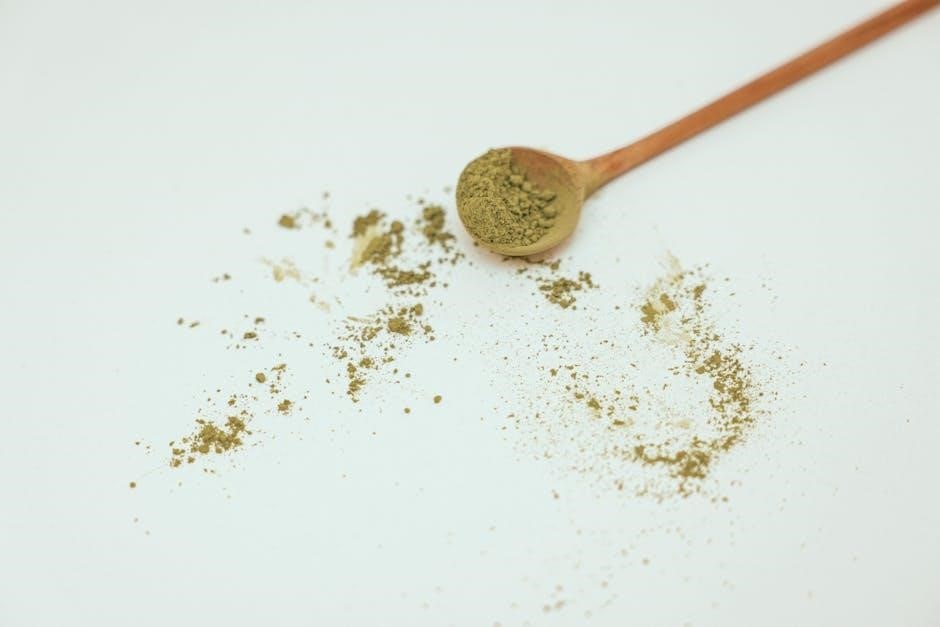
The Kung Fu Tea nutrition PDF doesn’t explicitly state anti-inflammatory properties‚ but the core ingredients offer clues. Plain black tea‚ a foundational element in many drinks‚ is rich in polyphenols – powerful antioxidants known to combat inflammation within the body. Green tea‚ another base option‚ similarly boasts a high antioxidant content‚ further contributing to this potential benefit.

By examining the PDF‚ consumers can choose teas with these bases and minimize added sugars‚ which can exacerbate inflammation. While not a cure-all‚ incorporating these choices into a balanced diet‚ as detailed in the nutrition PDF‚ may support the body’s natural defenses against inflammatory processes. Understanding the ingredient profile empowers mindful ordering for those seeking to reduce inflammation through dietary choices.
Cholesterol Management & Kung Fu Tea
The Kung Fu Tea nutrition PDF provides the data needed to make informed choices potentially supporting cholesterol management. While not a direct cholesterol-lowering solution‚ the tea bases – black and green – contain polyphenols‚ antioxidants linked to improved cardiovascular health. These compounds may contribute to healthier cholesterol levels when incorporated into a balanced lifestyle.
Reviewing the PDF allows customers to select options with minimal added sugars and fats‚ as excessive intake can negatively impact cholesterol. Focusing on unsweetened or low-sugar variations‚ and being mindful of toppings like milk cap (with its higher caloric and carbohydrate content detailed in the nutrition PDF)‚ can support heart-healthy choices. The PDF empowers consumers to navigate the menu strategically for potential benefits.
Smart Ordering Strategies for Health-Conscious Consumers
Utilizing the Kung Fu Tea nutrition PDF is key for mindful ordering. Opt for base teas like black or green‚ naturally low in macronutrients‚ and prioritize zero-sugar options to significantly reduce calorie intake. When reviewing the PDF‚ compare sugar levels – 30% versus 50% or 100% – to understand the caloric differences.
Be strategic with toppings; the nutrition PDF reveals that bubbles contribute substantial carbohydrates. Consider aloe jelly as a lower-calorie alternative. Carefully assess milk tea variations‚ noting the carb content of matcha and taro options. The PDF’s detailed breakdown of each drink empowers you to customize your order‚ balancing enjoyment with health goals. Remember‚ informed choices‚ guided by the nutrition PDF‚ lead to a more responsible Kung Fu Tea experience.
Where to Find Detailed Kung Fu Tea Nutrition Information (PDF & Online)
Accessing comprehensive Kung Fu Tea nutrition details is readily achievable. While a centralized‚ official PDF document isn’t consistently available on the main website‚ many franchise locations offer nutrition information directly. Searching “[Location] Kung Fu Tea nutrition PDF” often yields results. Online resources and third-party websites compile data from various menus‚ providing calorie counts‚ carb breakdowns‚ and sugar content for different drink combinations.
The nutrition PDF‚ when available‚ typically outlines standard toppings’ caloric contributions – bubbles‚ aloe jelly‚ and milk cap – alongside macronutrient breakdowns for popular drinks. Remember to check for updated versions‚ as menus and formulations can change. Utilizing these resources empowers health-conscious consumers to make informed decisions and enjoy their favorite beverages responsibly.
Comparing Kung Fu Tea Nutrition to Other Bubble Tea Brands
When evaluating Kung Fu Tea’s nutritional profile against competitors‚ several factors emerge. Many bubble tea brands offer similar customization options – sugar levels‚ toppings – impacting final calorie counts. However‚ Kung Fu Tea distinguishes itself with a relatively transparent approach to providing nutrition information‚ often accessible via location-specific PDFs or online menus.
Compared to brands with limited disclosure‚ Kung Fu Tea allows for easier tracking of carbs and sugar intake. While a medium Classic Milk Tea (30% sugar) contains approximately 170 calories‚ similar offerings from other chains can vary significantly. Considering toppings like tapioca pearls‚ Kung Fu Tea’s carb content aligns with industry standards‚ but mindful ordering remains crucial for health-conscious consumers seeking lower-calorie alternatives.
Enjoying Kung Fu Tea Responsibly
Kung Fu Tea can be a delightful treat when enjoyed as part of a balanced lifestyle. Utilizing available nutrition information‚ often found in PDF format online or in-store‚ is key to making informed choices. Opting for zero-sugar options significantly reduces calorie and carbohydrate intake‚ while moderating toppings like bubbles and milk cap helps control sugar levels.
Understanding the impact of different sugar percentages – 30%‚ 50%‚ 100% – empowers consumers to tailor their drinks to their preferences and dietary needs; Remember that even seemingly healthy options‚ like green tea‚ can accumulate calories with added sweeteners and toppings. By prioritizing mindful ordering and leveraging Kung Fu Tea’s transparency regarding nutritional content‚ you can savor your favorite beverages responsibly.